
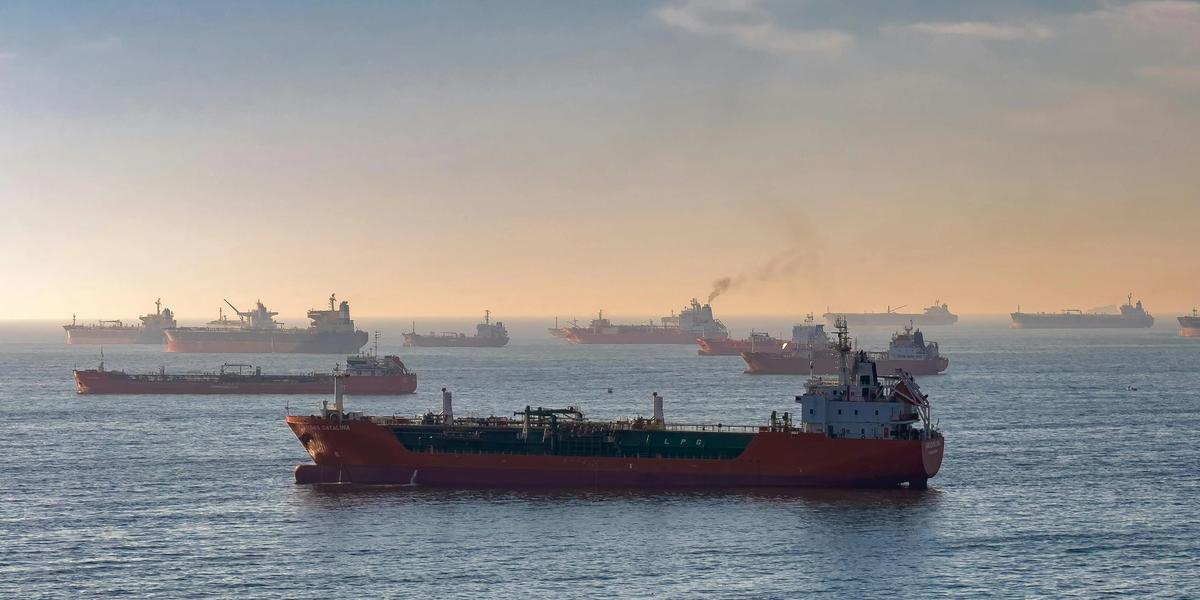
Qatar’s expanding maritime sector faces rising legal risks, with vessel detention under Law No. 15 of 1980 emerging as a key issue—making proactive contracts, insurance, and legal strategy essential to avoid costly disruptions.
Commercial Liabilities and Risk Management in Qatar’s Shipping Operations (2026)
Qatar’s maritime industry continues to grow as a key regional hub, particularly in LNG exports and high-value cargo trade. With this expansion comes an increase in disputes involving charterparties, cargo damage, and unpaid operational costs. In 2026, understanding vessel detention procedures and the associated legal responsibilities has become a critical requirement for shipowners, charterers, and cargo stakeholders alike, as even temporary delays can have substantial operational and financial consequences.
Judicial Oversight of Vessel Detention
The primary legal framework governing the detention of vessels in Qatar is Law No. 15 of 1980 Promulgating the Maritime Law. This law allows creditors to request court intervention to detain a vessel when a “maritime debt” arises. Such debts include unpaid charterparty obligations, cargo loss or damage, salvage and towage costs, and crew wages. Notably, the law permits courts, in certain circumstances, to authorize detention of other vessels owned by the same debtor, broadening the potential legal exposure for shipping operators. Navigating this judicial process effectively requires a clear understanding of the law and the ability to act quickly to secure or contest detention measures.
Liabilities and Operational Consequences
Maritime debts encompass both contractual and tort-based claims. For example, claims may arise from vessel collisions, damage to cargo under bills of lading, costs of vessel maintenance and repair, or port and navigation fees. Even a brief vessel detention can result in significant financial losses, supply chain interruptions, and reputational harm, emphasizing the importance of proactive risk management. Operators must also consider how these claims interact with insurance coverage and contractual provisions, ensuring that all agreements explicitly address potential disputes to reduce operational and financial uncertainty.
Strategic Planning within a Global Context
While Qatar’s maritime legal regime aligns with international conventions such as the Hague-Visby Rules and UNCLOS, enforcement is subject to local procedural rules and judicial discretion. This creates a dynamic environment where the legal outcome may vary depending on court interpretation and procedural nuances. Shipping operators are therefore advised to adopt a holistic risk management approach, including detailed contracts, comprehensive insurance policies, and continuous legal supervision. Such strategic planning ensures that operators can respond promptly to disputes, maintain operational continuity, and safeguard their commercial interests in Qatar’s evolving maritime sector.
KEY TAKEAWAY FOR BUSY PROFESSIONALS
Legal Authority: Courts may detain vessels under Law No. 15 of 1980 to secure maritime claims.
Broader Exposure: In certain cases, other vessels owned by the same debtor may also be detained.
Operational Impact: Even temporary detention can lead to financial loss, supply chain disruption, and reputational damage.
Global Standards, Local Enforcement: Qatar follows international maritime principles, but local procedural rules and judicial discretion ultimately govern enforcement.
Risk Mitigation: Proactive measures, including robust contracts, adequate insurance coverage, and ongoing legal oversight, are essential for managing commercial and operational risks effectively.