
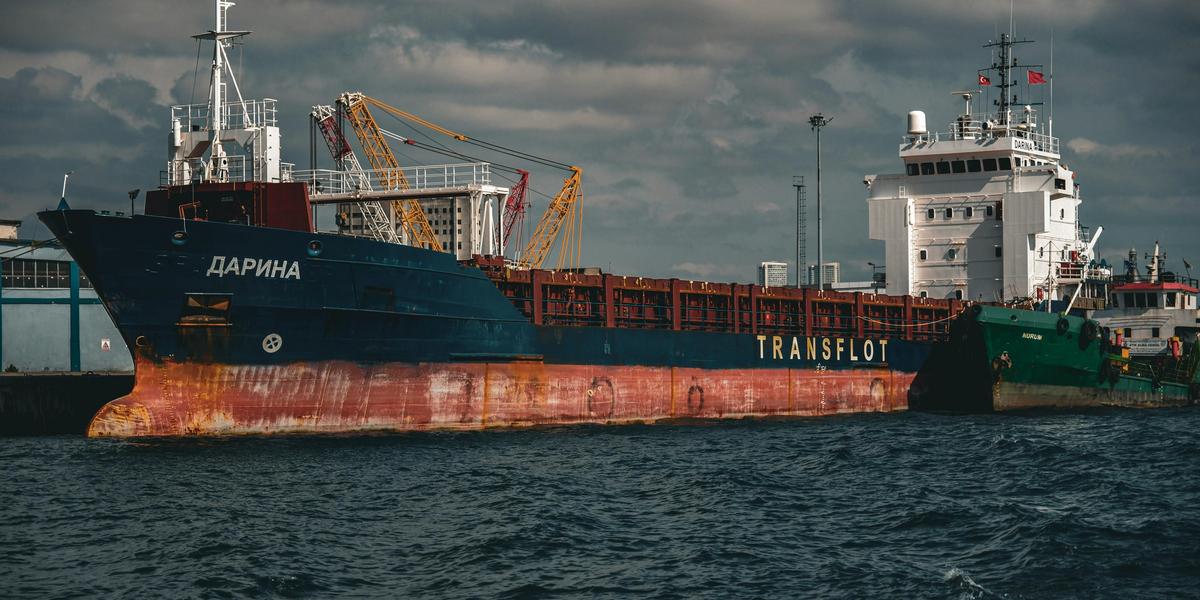
Qatar’s 2026 maritime sector requires strict vessel licensing and compliance, with increased enforcement and penalties for unlicensed operations.
Ensuring Operational Compliance Amid Qatar’s Maritime Licensing Enforcement in 2026
Strengthened Licensing Requirements for Maritime Operators
In Qatar, the operation of vessels in national waters is governed by a detailed licensing regime under Law No. 8 of 2017. This law mandates that all commercial vessels, whether Qatari or foreign-flagged, obtain a valid license before conducting any maritime activity. Licenses are typically issued for one-year terms and must be renewed regularly. Operating without a license can result in substantial fines, reaching up to QAR 50,000, and may also lead to detention or seizure of the vessel. The licensing system ensures that all maritime operations are conducted in line with national regulations and safety standards.
The licensing framework is not merely procedural and it serves as a legal safeguard for both operators and the state. By requiring official authorization, the authorities can monitor commercial activity, prevent unlicensed operations, and reduce the risk of accidents or legal disputes. For vessel owners and operators, understanding and adhering to these requirements is essential to maintain uninterrupted operations and avoid costly enforcement actions.
Scope of Regulated Activities and Dual Legal Framework
Law No. 8 of 2017 applies across a wide range of maritime activities, including cargo and passenger transport, offshore support services, marine construction, and logistics operations. The law reflects Qatar’s policy of maintaining comprehensive oversight of all commercial maritime activity within its jurisdiction. Operators must ensure that their business models and vessel operations are fully aligned with these legal obligations to avoid non-compliance risks.
The licensing regime works alongside Maritime Law No. 15 of 1980, which establishes substantive maritime rights, including ship registration, maritime transport contracts, insurance, and liability. Together, these two laws create a dual framework: one focused on regulatory compliance and licensing, and the other governing legal and contractual responsibilities. Operators must navigate both frameworks carefully, as failure to comply with either aspect can lead to legal exposure, financial loss, or operational disruptions.
Enforcement Trends and Practical Considerations
In 2025–2026, Qatar’s maritime authorities have significantly intensified enforcement, conducting more frequent inspections and compliance checks in ports, offshore operations, and on foreign-flagged vessels operating in Qatari waters. This proactive oversight is part of a broader initiative to enhance maritime safety, prevent unlicensed commercial activity, and protect national maritime interests. Operators must remain vigilant, as enforcement actions may include fines, operational delays, or vessel detention.
From a practical standpoint, maritime businesses must prioritize timely license renewals, adherence to safety and operational standards, and close coordination with port authorities. Ensuring that all documentation, vessel registrations, and compliance measures are up to date can mitigate risks and prevent costly interruptions. As Qatar continues to expand its role as a regional logistics and maritime hub, operational compliance is no longer optional and hence it is a critical component of strategic risk management for all maritime operators.
KEY TAKEAWAY FOR BUSY PROFESSIONALS
Commercial vessels operating in Qatar must maintain valid licenses; non-compliance can result in fines and vessel detention.
Law No. 8 of 2017 works alongside Maritime Law No. 15 of 1980, creating a dual framework of licensing compliance and substantive maritime rights.
Enforcement is intensifying, particularly in ports and offshore operations, making proactive compliance essential to avoid penalties and operational disruption.