
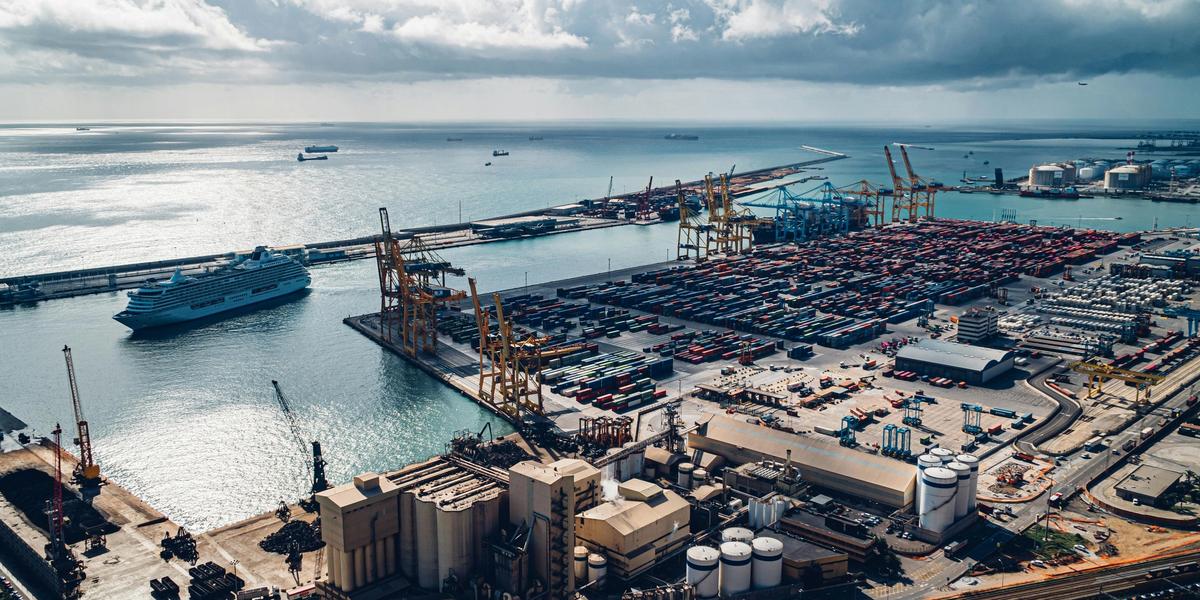
Qatar’s 2026 maritime sector requires strict compliance with port regulations, vessel liability laws, and environmental standards.
Transforming Port and Maritime Operations: Legal and Environmental Obligations in Qatar in 2026
Qatar’s maritime sector is rapidly evolving with the expansion of ports, logistics infrastructure, and its role as a regional trade hub. As operations grow, legal obligations relating to port management, vessel liability, and environmental compliance have become increasingly critical for ensuring operational continuity and alignment with both domestic and international standards.
Port Operations and Regulatory Oversight
Port operations are governed by Decree Law No. 29 of 1966, establishing responsibilities for port authorities, vessel operators, and cargo handlers. Operators must manage loading and unloading processes effectively, while authorities oversee safety standards, risk management, and operational procedures. The law also clarifies liability for incidents caused by natural events, improper cargo handling, or operational delays.
Recent updates to port security frameworks reflect the growing emphasis on protecting critical infrastructure amid increased trade volumes. Operators are expected to implement robust access control, monitoring, and emergency response procedures, ensuring compliance with national objectives for secure and efficient port management.
Maritime Liability and Legal Responsibilities
Law No. 15 of 1980 governs liability for maritime incidents, covering collisions, cargo loss, personal injury, and salvage. Vessel owners and operators are accountable for damages caused by their vessels or crews, whether at sea or in port, making comprehensive risk management essential.
In 2026, authorities are closely monitoring shipping activities, emphasizing legal compliance to protect vessel owners and cargo interests. Ensuring proper insurance coverage and adherence to contractual obligations helps mitigate financial, operational, and reputational risks arising from maritime disputes.
Environmental Compliance and Strategic Development
Environmental obligations derive from Decree Law No. 30 of 2002 and international conventions such as MARPOL, requiring operators to manage waste, control pollution, and protect marine ecosystems. Enforcement in 2026 is increasingly aligned with Qatar’s sustainability initiatives, reflecting the country’s commitment to responsible maritime growth.
Integration of environmental compliance with broader port and shipping operations supports Qatar’s strategic objectives in trade and logistics. Operators are encouraged to adopt proactive measures that maintain sustainability while minimizing operational disruption, enhancing both environmental stewardship and business credibility.
KEY TAKEAWAY FOR BUSY PROFESSIONALS
Port authorities and operators must comply with Decree Law No. 29 of 1966 regarding operational responsibilities and liability limits.
Vessel owners and operators are legally accountable under Law No. 15 of 1980 for collisions, cargo damage, personal injury, and salvage obligations.
Environmental compliance under Decree Law No. 30 of 2002 and MARPOL conventions is a legal requirement, with enforcement increasing in 2026.
Failure to adhere to these laws can result in financial penalties, liability claims, and operational disruption.
Integration of domestic laws with international maritime standards is essential to ensure lawful maritime operations.